

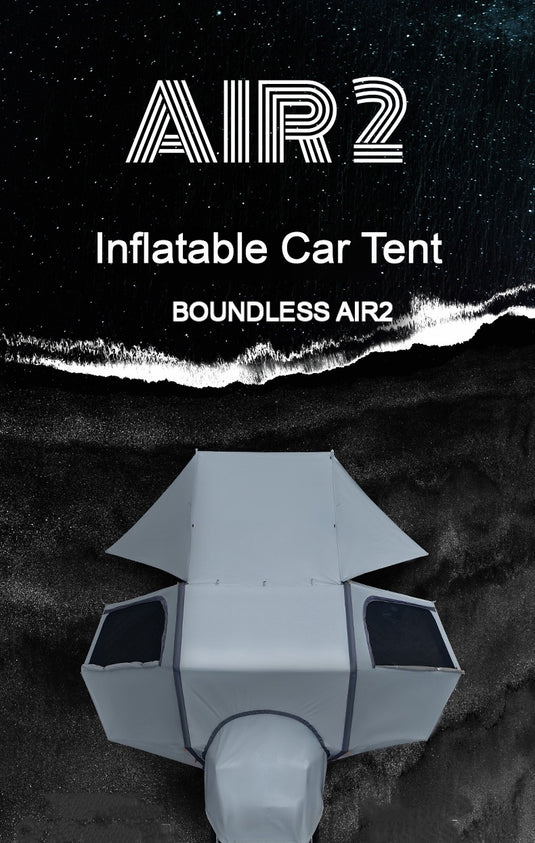

How to Choose a Camping Tent
How to Choose a Camping Tent
Choosing the right camping tent comes down to four essentials: the number of people using it, the weather you expect, how much comfort and space you want, and how easy it is to set up. For most campers, the best tent is not simply the biggest or the most expensive. The best choice is the one that fits your trip style, your group size, and your overall campsite setup. If you are camping with family, you may need more headroom and storage. If you are camping as a couple or planning relaxed weekend trips, a simpler and more comfort-focused tent may be the better option.
A tent also works better when the rest of your gear supports it. The right sleeping bag, sleeping pad, stove setup, and camp furniture can make your campsite much more comfortable and functional. In this guide, you will learn how to compare camping tents in a practical way so you can choose one with confidence.
In This Guide
- Start with your camping style
- Choose the right tent size
- Compare tent shapes and layouts
- Look closely at weather protection
- Pay attention to setup and usability
- Choose materials based on use
- Build a better campsite around your tent
- Recommended BRoadout gear
- FAQ
Start with Your Camping Style
Before comparing specifications, think about how you actually camp. Different tents are designed for different kinds of trips, and the right choice becomes much easier once you know your priorities.
Camping tents for beginners
If you are new to camping, focus on easy setup, dependable weather protection, and enough room to stay organized. A tent that feels intuitive to pitch can make a big difference on your first few trips.
Tents for couples
Couples usually do best with a tent that balances comfort and manageable size. In many cases, a three-person tent feels more comfortable than a compact two-person tent, especially if you bring thicker sleeping pads, extra bedding, or weekend gear.
Family camping tents
For family camping, usable floor space, headroom, door placement, and storage zones all matter. A tent that is easy to move around in can feel much more practical than a tent that only looks large on paper.
Tents for fair-weather weekend trips
If most of your trips happen in mild conditions, you may not need a heavy-duty shelter. In that case, look for camping tents that are breathable, simple to pitch, and comfortable enough for short stays.

Choose the Right Tent Size
One of the most common mistakes people make when shopping for tents is choosing a model based only on the listed person capacity. Tent capacity ratings are usually based on how many sleeping pads can fit side by side, not how comfortable the space will feel in real use.
Use capacity as a starting point, not the final answer
If a tent is labeled as a four-person tent, it may technically fit four people, but that does not always leave room for gear, extra bedding, or personal space. For a more comfortable experience, many campers size up.
- Solo camper: a two-person tent often feels more comfortable
- Two campers: a three-person tent usually gives you more usable space
- Family of four: compare four-person and six-person tents based on gear and comfort needs
Think about floor space and peak height together
Floor dimensions matter for sleeping, but peak height affects how livable the tent feels. If you want to sit up comfortably, help kids get changed, or spend time inside during light rain, headroom becomes a major factor.
Vestibules and gear storage matter too
A tent with a usable vestibule or covered gear area can help keep shoes, bags, and wet outer layers out of the sleeping space. This helps reduce clutter and keeps the inside of the tent cleaner and more comfortable.
| Tent Size Question | What to Consider | Why It Matters |
|---|---|---|
| How many people are sleeping inside? | Use rated capacity as a baseline, then consider sizing up | More room improves comfort and organization |
| How much gear stays inside the tent? | Think about bags, bedding, clothing, and kids' items | Gear can make a tent feel much smaller than expected |
| Do you need standing or sitting room? | Check peak height and wall shape | Better headroom improves livability |
Compare Tent Shapes and Layouts
Not all tents use space the same way. Two tents with similar dimensions can feel very different once you are inside them. Layout affects sleeping comfort, airflow, storage, and ease of entry.
Dome tents
Dome tents are popular because they are widely available, relatively easy to pitch, and often stable in changing conditions. They are a strong option for many beginners and casual campers.
Cabin tents
Cabin-style tents usually offer more vertical walls and better standing room, which makes them appealing for family camping. If camp comfort matters more than compact packed size, this style is worth considering.
Tunnel and extended-layout tents
These tents may provide longer interior space, separate living zones, or larger vestibules. They can work well for campers who want more organization or more room to spread out.
Door placement and interior flow
When comparing tents, ask practical questions. Is there more than one door? Can everyone get in and out easily? Is there enough room near the entrance for shoes and bags? Better flow inside the tent often leads to a much better camping experience.
Look Closely at Weather Protection
Good camping tents should match the conditions you expect. You do not always need the most technical shelter, but you do need enough protection for the season and region where you camp.
Rain protection
Check whether the tent includes a full rainfly or only partial coverage. A fuller rainfly usually offers better weather protection in steady rain and wind. Also pay attention to the floor design, seam quality, and how well the tent handles ground moisture.
Wind stability
Tent shape, pole structure, and guy-out points all affect wind performance. A tent that is easy to secure correctly is often better than a more complicated design that users may not fully stake out.
Ventilation and condensation control
One of the most overlooked parts of choosing tents is airflow. Ventilation helps reduce condensation, improve sleeping comfort, and keep the tent from feeling stuffy. Look for mesh panels, roof vents, and a fly design that balances airflow with weather coverage.
Three-season use for most campers
For most recreational campers, three-season tents are the most practical choice. They usually offer the best balance of airflow, weather protection, and everyday comfort.
Pay Attention to Setup and Usability
A tent may look great in photos, but the real test is whether it works smoothly at the campsite. Ease of use matters more than many shoppers expect.
Fast setup matters
If you arrive late, set up in wind, or camp with children, a simple pitch can make the whole trip easier. Look for clear pole architecture, intuitive clips or sleeves, and a design that does not require too many adjustments just to stand correctly.
Interior storage features help
Small features such as pockets, lantern loops, and gear corners can improve daily comfort. These details help keep the tent tidy and make shared spaces easier to use.
Doors and zippers should feel convenient
Easy access matters at night, during rain, or when multiple people are moving in and out. A good tent supports your routine instead of interrupting it.
Choose Materials Based on Use
Materials affect weight, durability, weather performance, and price. You do not need to memorize technical fabric terms, but it helps to understand the basics.
Durability matters for regular campers
If you camp often, a well-made tent with reliable stitching, solid pole construction, and reinforced stress points may be worth the investment.
Lighter is not always better
For car camping, ultra-light weight is usually less important than comfort, usable space, and durability. Many campers are happier with tents that are slightly heavier but easier to live in once pitched.
Floor strength matters more than people think
The tent floor deals with pressure, friction, and ground moisture. Pairing your tent with a proper footprint can help protect it and extend its life.
Build a Better Campsite Around Your Tent
Even the best tent works better when your full campsite is planned well. Comfort does not come from shelter alone. It comes from how your sleeping, cooking, and lounging systems work together.
Sleeping pads improve warmth and comfort
A good sleeping pad adds cushioning and insulation, making nights noticeably more comfortable. Even a spacious tent will feel less enjoyable if your sleep setup is poor.
Sleeping bags should match the season
Sleeping bags should support the temperature range of your trip. A good tent blocks weather, but it does not replace a proper sleep system.
Camp furniture helps organize your living space
Chairs, side tables, and other camp furniture can turn the area outside your tent into a more functional living zone. This is especially useful for family camping, meal prep, and relaxing at camp.
A reliable stove setup improves campsite flow
If you cook outdoors, a practical stove setup helps keep your site organized and efficient. When your cooking zone is clearly separated from your sleeping area, your tent stays cleaner and your overall routine feels easier to manage.

Recommended BRoadout Gear for Camping Tent Buyers
Once you choose the right tent, the next step is building a more complete outdoor setup. These BRoadout categories fit naturally with tent planning and can help improve comfort, organization, and rest at camp.
1. Tents collection
If you are still comparing tent options, start with the Tents collection and browse the Tents blog for more setup and planning content.
2. Sleeping bags for a more complete sleep system
Explore the Camping Sleeping Bags collection and the Sleeping Bags blog to match warmth and comfort with your trip conditions.
3. Sleeping pads for support and insulation
Browse the Sleeping Pads collection and the Sleeping Pads blog if you want better cushioning and sleep quality.
4. Camp furniture for a more comfortable basecamp
Check the Camp Furniture collection and the Camping Chairs collection for a more functional campsite setup.
Suggested internal links for this article
- Tents collection
- Tents blog
- Camping Sleeping Bags collection
- Sleeping Pads collection
- Camp Furniture collection
- Sleeping Pads blog
Quick Conclusion
The best way to choose a camping tent is to match it to how you really camp. Think about who is coming, what weather you expect, how much room you need, and how important comfort and setup speed are to you. Once those basics are clear, comparing camping tents becomes much simpler and more practical.
Your tent is only one part of the experience. Pair it with the right sleeping gear, campsite seating, and cooking setup, and your whole trip becomes more comfortable from the first night to the last morning.
FAQ
What size camping tent should I buy for two people?
Many couples find that a three-person tent feels more comfortable than a standard two-person tent, especially if they bring extra gear, thicker sleeping pads, or additional bedding.
Are bigger tents always better?
Not always. Bigger tents can offer more comfort and headroom, but they also take up more campsite space and may take longer to set up. The best choice depends on your trip style, group size, and comfort priorities.
What is the difference between camping tents and backpacking tents?
Camping tents for car camping usually prioritize comfort, interior space, and convenience. Backpacking tents are designed more around lower packed weight and portability.
How do I know if a tent is good for rain?
Look for a substantial rainfly, a protective floor design, reliable seams, and enough ventilation to reduce condensation inside the tent.
What other gear should I buy with a tent?
Useful companion gear often includes sleeping pads, sleeping bags, camp furniture, and a stove system. These items help turn a basic shelter into a much more comfortable campsite.
Ready to Build a Better Camping Setup?
Explore BRoadout gear by shelter, sleep system, and campsite comfort so you can create a setup that feels more comfortable, organized, and ready for your next trip.
